
Coffee shop expansion · Strategy & design
How to plan a coffee shop expansion around customers and revenue
A larger shop needs a plan for what customers will do there, what they will buy, and how the business will cover its added costs.
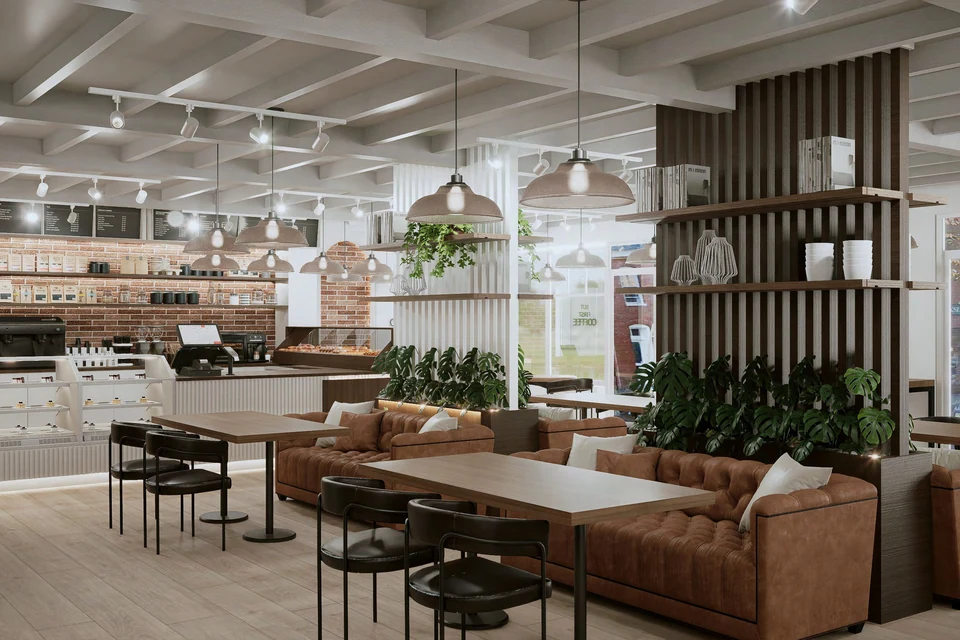
A full coffee shop can make expansion feel like the obvious next step. More seats, a larger lounge, or the unit next door may offer room for customers you cannot currently accommodate.
Before committing to that space, it helps to ask what the expanded business would do differently. Would it serve more people during the morning rush, give groups somewhere to gather, or create a reason to visit after work? Each possibility needs a different plan.
In our coffee lounge expansion strategy, we considered how a café could support several uses across the day: coffee and bakery sales, informal meetings, evening food and drink, classes, and private gatherings. The purpose was to connect the additional space with activities that could support additional revenue.
For coffee shop owners considering an expansion, that connection should guide the layout, service model, and investment.
Start with the customer need behind the expansion
Look at where the existing shop is reaching its limits. Are customers unable to find a seat, or are they waiting too long to order? Are you turning away groups, missing catering opportunities, or hearing requests for evening hours?
Those situations call for different responses. More lounge seating will not solve a bottleneck behind the counter. A larger kitchen may be valuable if production is constraining sales, even when the café still has empty tables.
Observe the shop at different times, review sales patterns, and speak with regulars and people who rarely visit. Ask what they would use and purchase in an expanded shop. Their answers can help distinguish a promising opportunity from an attractive idea with limited demand.
Choose coffee shop expansion ideas with a clear purpose
Our lounge strategy explored several ways the space could serve customers and earn revenue. These were proposed directions to test, rather than a requirement to launch every offering at once.
- Make everyday café visits work better. A mix of individual seats, small tables, and communal seating can accommodate customers with different needs. Pair that seating plan with a menu and service flow that support the visits you want to attract.
- Give customers a reason to visit in the evening. The strategy considered wine, small plates, and occasional performances. An evening offer would need its own audience, menu, staffing plan, and any required permissions. Opening longer only helps if the additional trading hours make commercial sense.
- Turn existing expertise into classes. A teaching kitchen could support baking workshops, culinary demonstrations, or group experiences. The opportunity depends on people willing to book, instructors able to deliver, and a price that covers preparation, ingredients, teaching time, and cleanup.
- Make room for private gatherings. A bookable area could accommodate meetings, celebrations, or team workshops. Consider how bookings would affect regular customers and whether the income would justify reserving that space.
The strategy also considered using additional production capacity for subscriptions and off-site sales. An expansion can support growth beyond the lounge when the kitchen, storage, and team can handle it.
Design the coffee shop layout around those uses
Once the strongest opportunities are clear, the design has a job to do.
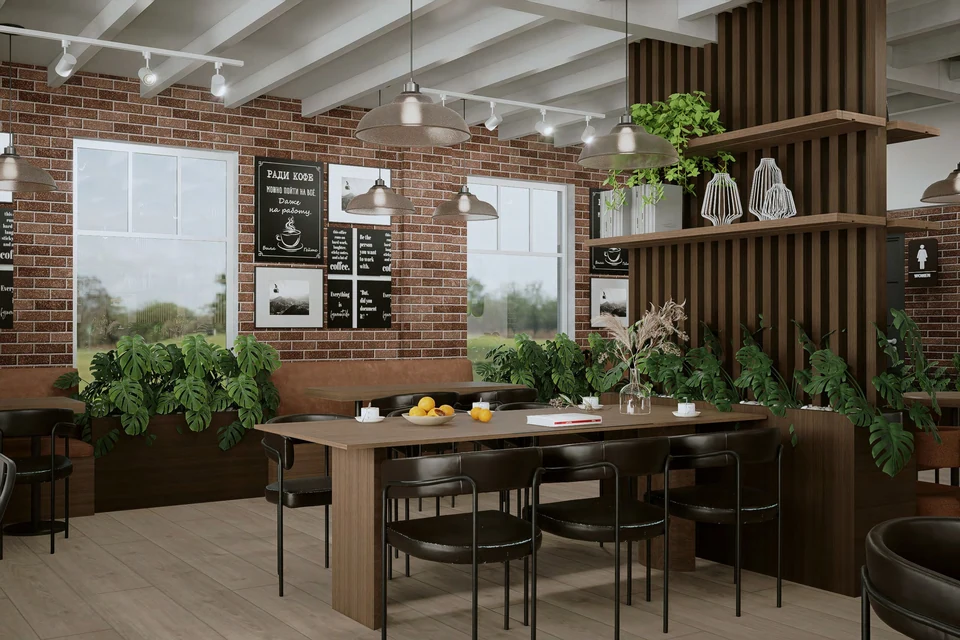
Someone stopping for a quick purchase needs an understandable route through ordering, pickup, and the exit. A customer working for an hour needs suitable seating, lighting, and access to power. A group needs enough room to talk without obstructing service or overwhelming quieter areas.
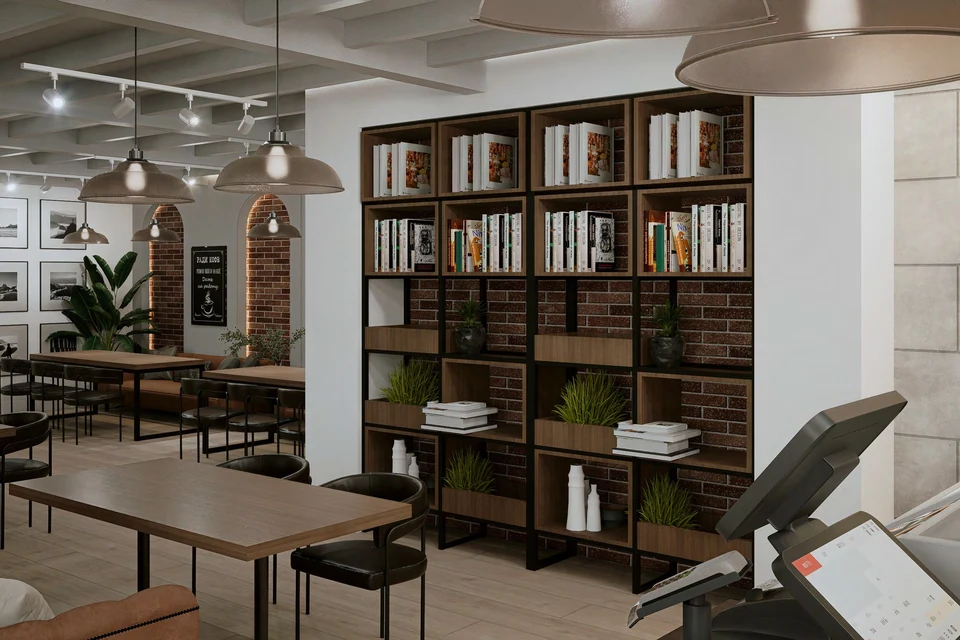
Our coffee lounge concepts explored communal tables, smaller seating groups, lounge furniture, and divisions between areas. The aim was to accommodate different activities within a coherent space that could adapt throughout the day.
Longer visits deserve particular thought. A comfortable lounge can strengthen the customer experience, but a longer stay does not automatically produce a larger purchase. Consider the balance between longer-stay seating and tables needed during busy periods, alongside opportunities for repeat orders and food sales.
Plan how the team will run the expanded shop
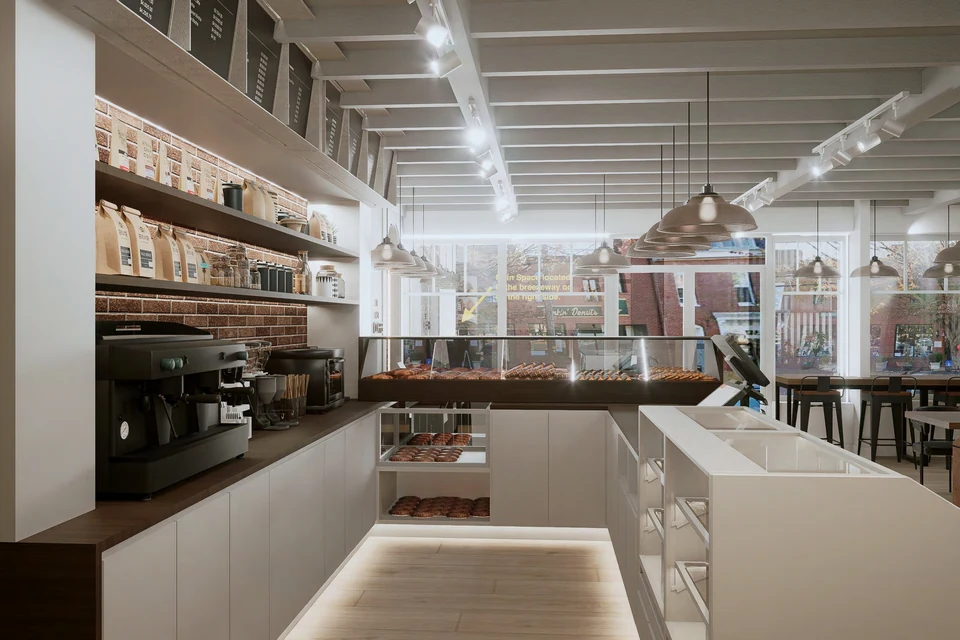
An expanded café should be workable for the people serving it. Consider the distance between the counter, kitchen, seating, storage, and washing-up areas. More seats can also mean more dishes, clearing, restocking, and cleaning.
For the proposed evening offer, our strategy explored retaining counter ordering instead of introducing full table service. That gave the owner a service approach to evaluate alongside the menu and customer experience. Staffing still needs to reflect the workload and hours being added.
The same applies to events and classes. A workshop needs preparation time, someone to welcome participants, and a plan for resetting the room. Those tasks belong in the operating plan before they appear on the events calendar.
Work back from the added costs to a sales target
Coffee shop expansion costs include both the initial fit-out and ongoing expenses. Equipment, furniture, and building work need funding. Added rent, wages, utilities, insurance, and maintenance need to be supported by the business over time.
Estimate what each proposed use could contribute after its direct costs. An event that sells well can still contribute little if ingredients, instructors, entertainment, and additional staffing absorb most of the income.
For illustration, an additional $3,000 in monthly fixed operating costs, with 60 cents of each additional sales dollar left after variable costs, would require $5,000 in additional monthly sales to cover those fixed costs. This is a simplified break-even example, not a forecast for the lounge concept. 1
The plan also needs to address fit-out funding, any loan payments, and cash available while sales build. Test slower growth and a less favorable sales mix before deciding how much expansion the business can support.
Launch the expansion in manageable stages
Our strategy proposed prioritizing the core café operation, then introducing additional offerings as the space and team were ready. That approach lets the owner test demand and operating demands before adding the next layer.
A trial evening, a pre-booked workshop, or a small private gathering can provide useful evidence. Track purchases, direct costs, staff time, customer feedback, and repeat bookings. Use what you learn to adjust the offer, layout, or schedule.
A coffee shop expansion should make the business better able to serve its customers and earn enough to sustain the larger operation. Start with the uses people value, connect them to a credible revenue plan, and design the space to deliver them well.
Project context and further reading
The ideas in this article draw on our coffee shop expansion strategy and accompanying interior concepts.
- U.S. Small Business Administration: Startup costs and break-even analysis. Supports the simplified financial illustration; the figures are hypothetical.